


De Tijd published a fascinating column by Bruce Fecheyr-Lippens, Chief People Officer of our partner SD Worx. He shares his experience with self-managing teams. Since our founding, we at Teal Partners have operated according to the principles of self-management. According to Bruce, there are 5 pieces of advice to make this successful. In this article, we'd like to share how we translate Bruce's tips into practice.
At Teal Partners, we want to attract competent people who take responsibility. Such people thrive when given the freedom to organize their work as they see fit. This mature way of collaborating increases engagement. Everyone feels responsible for the whole.
Colleagues decide together who joins the team. Salaries are transparent, as is all company data, and we share the profits. Making decisions without management is only possible when everyone has access to all information. Together, we take care of the tasks in the company, from recruitment to finance to organizing events. Our people choose which teams they join, depending on their interests.
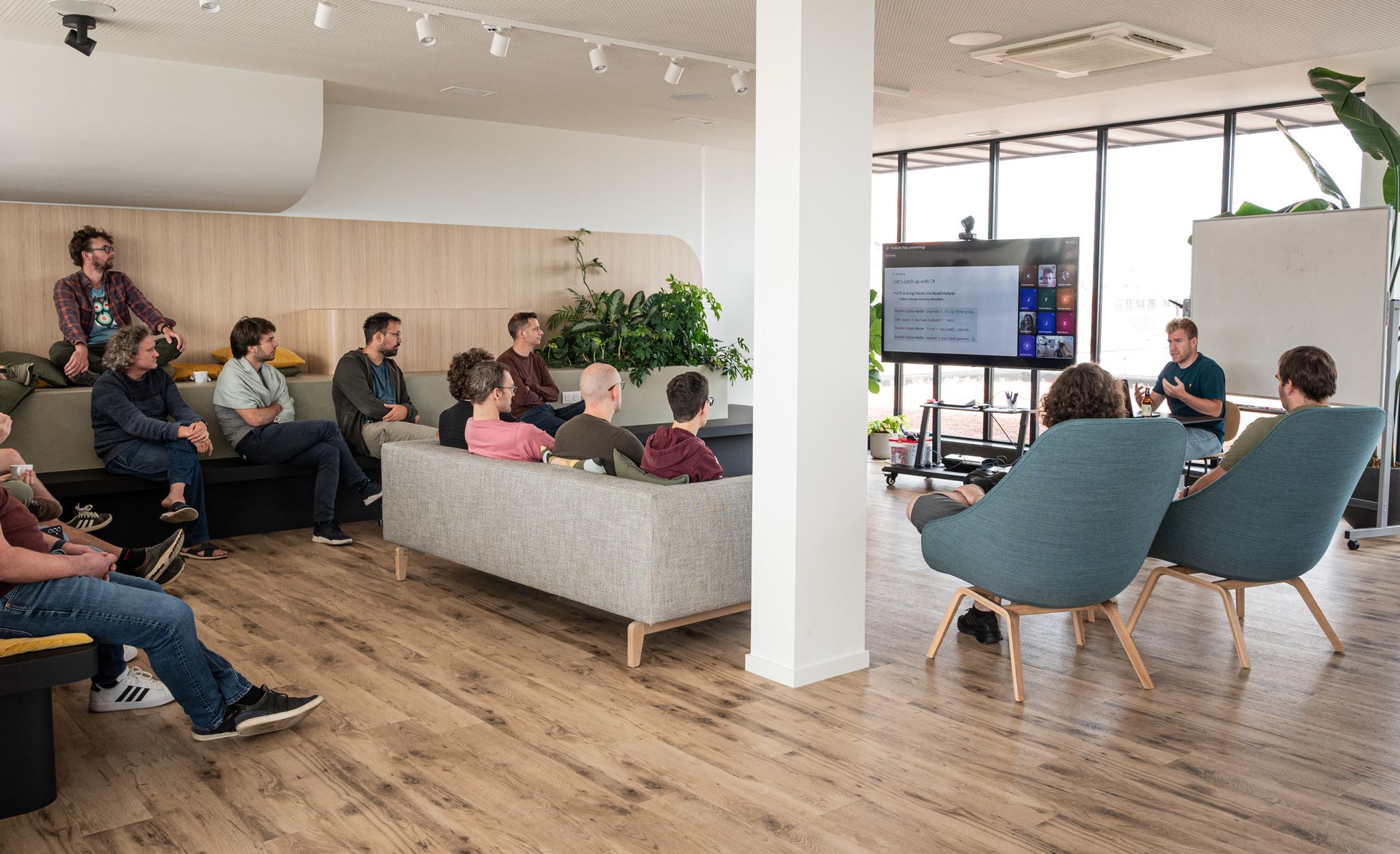
Decisions are made according to a clear framework. This consists of principles, each with a logical rationale and clear consequences. Within that framework, everyone can make decisions. If you don't follow it, you'll be called out.
For example, we only adopt new technology if it solves a problem. We want to help clients with their challenges, not show off with the latest gadgets. Anyone who wants to introduce something new must explain why the existing approach falls short and how a new technology does offer a solution.
Even when colleagues launch a new initiative, we create a clear framework for autonomy. Just like in software architecture, we first establish the foundation: what do we want to achieve with this team? That purpose and a few crucial principles form the benchmark for future decisions. From that goal, we determine concrete actions and work iteratively on execution.
Anyone making a decision is required to seek advice, primarily from colleagues who will be affected by that decision. Reaching consensus is not necessary, but advice helps to make a better-informed decision or to sharpen a proposal. Are there no fundamental objections? Then the plan is executed.
This combination of transparency and a clear advice process creates speed: we maintain our flexibility without losing support.
Just as successes are a collective achievement, so are mistakes. You are not blamed when you make a mistake. In development tools like Git, there's a function called 'blame' to identify the author of a piece of code. However, we never use this technical traceability to point fingers, but only to understand context.
Individual mistakes are rarely purely individual. They often arise from team choices, from logic that has become outdated, or because certain support was lacking at a specific moment. A mistake is a learning opportunity: what does the team need? What can we improve?
Continuous improvement is not an empty concept for us. It's in our DNA. We constantly evaluate what works well and what doesn't, so we can adjust where needed. Step by step, with small corrections, we try to continuously elevate the whole to a higher level.
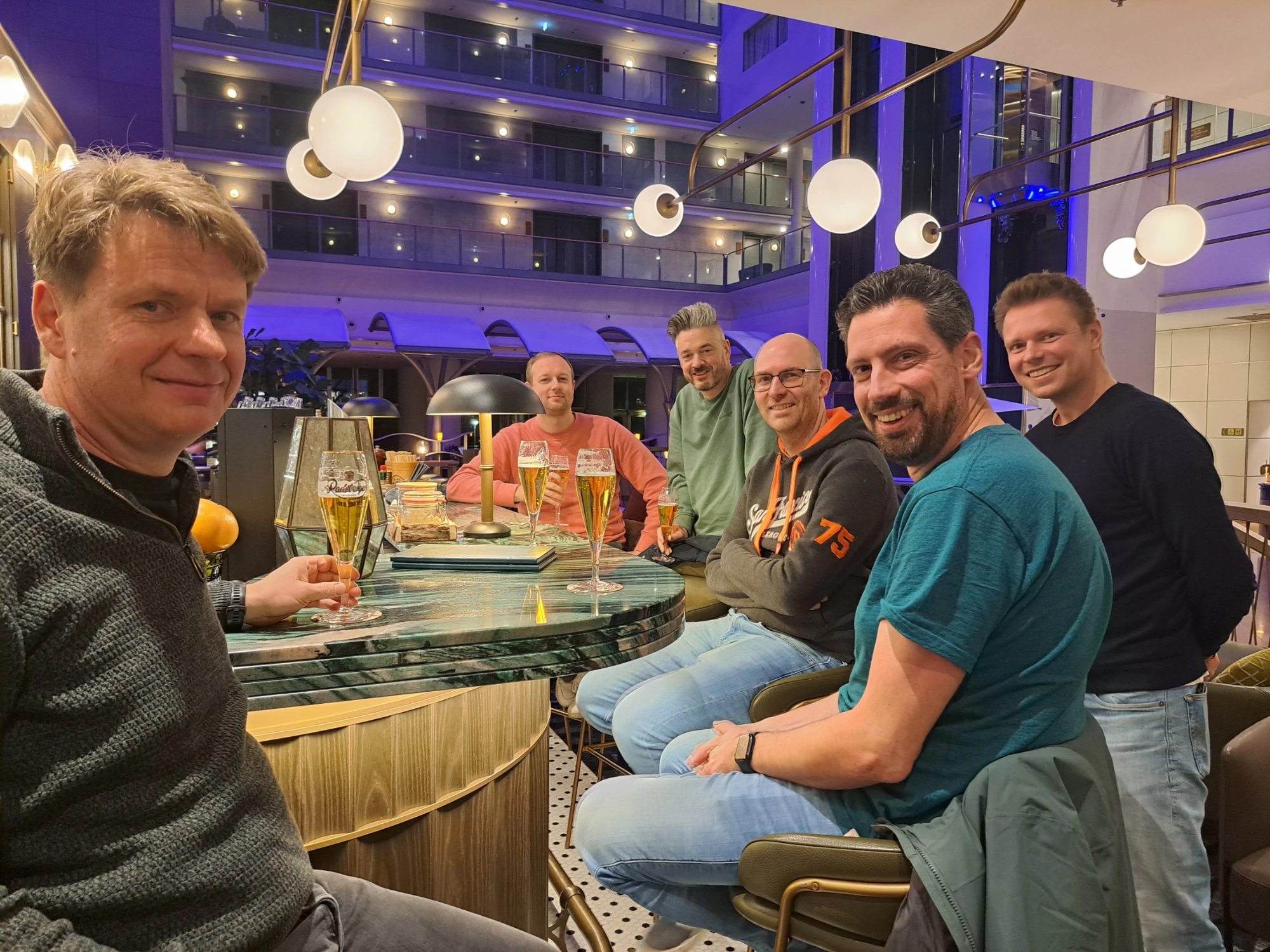
This brings a challenge. We sometimes place too much emphasis on what can be improved, risking tunnel vision. With that focus, we risk losing sight of what we should be proud of. That's why at Teal Partners we like to add a sixth point: 'Celebrate successes, big and small.'
For us, self-management is a key to our rapid growth and success. It makes our teams independent, efficient, driven, engaged, and entrepreneurial. It has a direct impact on our financial figures. Discover more about this in this interview with founders Koen and Jelle about the results of 2025.


