


Payroll systems are under pressure. The combination of legacy technology, growing complexity and increasing regulation means that traditional payroll solutions have definitively reached their limits. The new software that Teal Partners is building with SD Worx is fundamentally reshaping the payroll landscape.
These are the 10 main challenges — and the solutions we have developed.
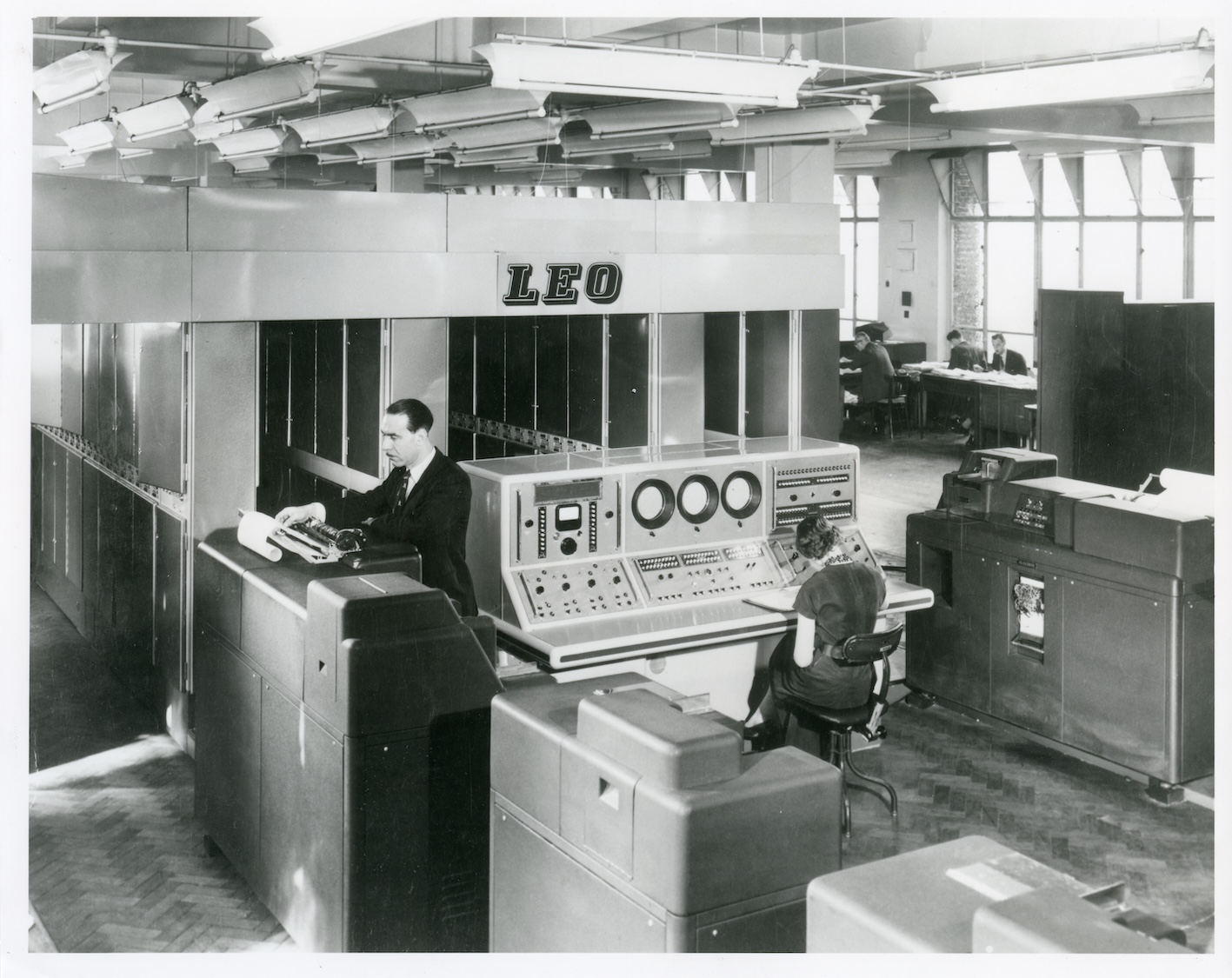
Few software systems remain in use for as long as payroll systems. Much of the technology dates back to the punched-card era. Most of the systems currently used by payroll providers are decades old, with some dating as far back as the 1960s.
For a long time, the sector prioritised stability over innovation. This is understandable, as payroll errors can have serious consequences. But we have reached a tipping point. Legacy systems are becoming too expensive to maintain.
Fewer and fewer engineers have the skills required to work with the old technologies. Some programming languages are no longer supported. Investing in new solutions now makes more sense than continuing to patch up an obsolete system.
Payroll is heavily regulated, particularly in Europe, with its extensive social protection systems. Six of the ten countries with the most complex payroll systems are located in Europe. Belgium ranks eleventh among the countries with the most complex payroll systems (Strada’s 2025 Global Payroll Complexity Index).
This places considerable pressure on payroll teams. They must closely monitor an ever-growing body of rules to avoid errors, fines and legal problems.
Translating legislation into software code is complex. The rigid architecture of old, monolithic payroll systems makes it difficult to implement legislative changes efficiently.
The older generation, which grew accustomed to the complexity of traditional payroll systems, is gradually leaving the workforce. The old jargon, with cryptic codes for payroll concepts — such as 1360 for short-term leave — was necessary because space on punched cards was limited.
New employees were required to learn this language, which also differed from one provider to another. Today’s generation, accustomed to apps and intuitive interfaces, has higher expectations of workplace technology. This increasingly affects organisations’ ability to attract and retain talent.

Traditional payroll systems rely on batch processing: calculations are carried out in fixed, periodic blocks. Because most companies pay their employees monthly, this creates an intense peak in the payroll cycle. Payroll consultants — the experts who support employers in processing salaries — receive all the payroll data within a short period and must then check and process it.
The pressure is considerable. Payroll requires absolute accuracy, but time pressure increases the risk of errors. Corrections, with data moving back and forth between the employer and the payroll provider, delay the process even further. For both parties, it is a cumbersome and demanding process.
Read this first-hand account from Nathalie Clippeleyr, who worked as a payroll consultant for thirteen years and is now a functional analyst at Teal Partners.
“Between the 24th of one month and the 5th of the next, the pressure was enormous. Every client submitted their payroll data during that period. Once we had completed the calculations, they reviewed the results and sent them back to us for a final check. Only then could the salaries be paid. That constant back-and-forth creates delays and a great deal of stress. After all, you always have to pay people on time.”

Payroll data offer a wealth of information. By analysing them, companies can gain valuable insights. Comparing salaries with the wider market helps organisations remain competitive. Understanding differences in pay can contribute to employee retention.
Analysing overtime, absences and compensation helps companies anticipate staffing needs more effectively. Gender pay gap analyses support diversity and contribute to a healthy workplace culture.
Labour costs are often an organisation’s largest area of expenditure. Better insights allow companies to forecast sickness absence, overtime and seasonal costs more accurately, as well as changes in benefits such as expense allowances and mobility budgets.
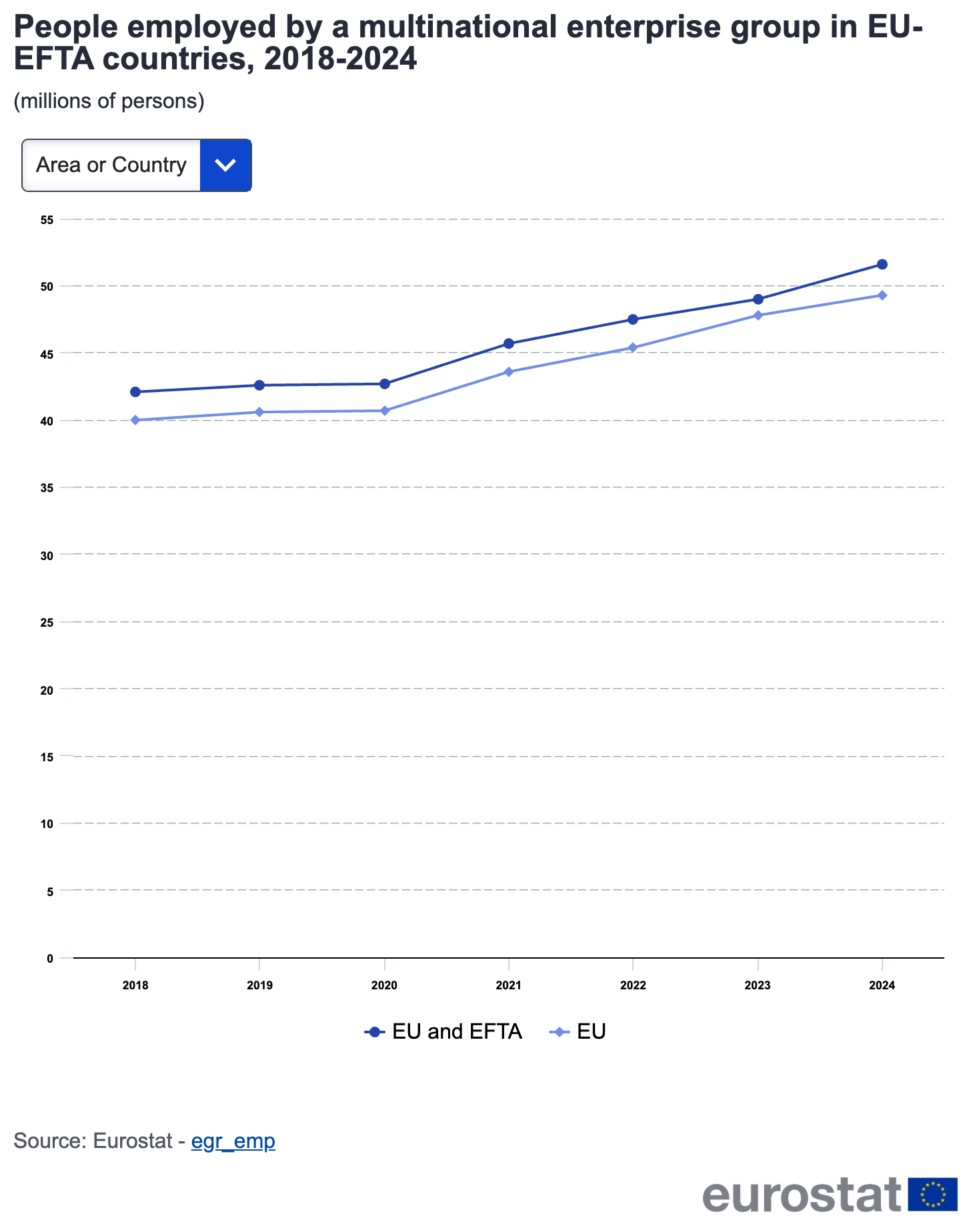
More and more companies operate internationally, particularly in Europe. For payroll, this creates additional complexity. Legislation, taxation, reporting requirements and currencies differ between countries, and often between regions and sectors as well. The number of multinational companies in Europe has risen sharply in recent years, further increasing this complexity.
Few providers have software that is both sufficiently international and sufficiently accurate at local level. In practice, international systems often record only basic data, while correct and compliant payroll requires detailed, country-specific information. Without that depth, crucial information needed to pay employees correctly at local level is missing.
The hr landscape consists of a wide range of specialised tools. This fragmentation makes integrations complex. For payroll, this is a major problem. Payroll systems require data from multiple sources, ranging from working time and performance to absences. When these connections fail, errors, delays and additional workloads arise.
Modern hr ecosystems require software that can exchange data seamlessly. However, many older payroll systems were not designed for this open and flexible way of working. As a result, accurate and timely payroll processing is becoming increasingly difficult.
Core hr includes areas such as employee administration and time recording. These data form the basis of payroll calculations. In many organisations, core hr consists of a mixture of digital and manual processes. This leads to data mismatches, errors and problems in payroll calculations.
Document management also remains a bottleneck. Research shows that employees struggle to find the correct documents quickly, or unintentionally create multiple versions in online storage services such as Dropbox or Google Drive. These services also offer insufficient security for sensitive hr data.
Core hr systems process enormous volumes of sensitive personal data. The GDPR requires companies to manage, clean up and delete data correctly and within the required time limits. In practice, many organisations struggle with old documents, duplicate files and outdated information.
Pressure on data security is also increasing. Cyberattacks rose by 21% worldwide in 2025, with Europe recording the fastest increase, according to Check Point. The company analyses data through its ThreatCloud AI platform, examining millions of threat indicators across more than 150,000 networks every day.
The labour market is becoming increasingly diverse. Freelancers are expected to account for as much as 40% of the labour market by 2030. Around 12% of Europe’s working population already works entirely remotely. The number of platform workers in Europe has risen to 43 million.
Older payroll systems are often designed exclusively for employees, which means companies no longer have a complete view of their total labour costs. When data about different types of workers are spread across several systems, compliance gaps also arise, ranging from equipment registration to document management.
.jpg)
All these challenges lead to a single conclusion: the complexity of modern payroll has grown beyond what legacy software can handle.
That is why the new payroll software we are building for SD Worx started from scratch. It is not an extension of an old system, but an entirely new foundation that makes full use of today’s technological possibilities.

1. Continuous calculations instead of monthly stress. The software calculates continuously. Every change is processed immediately. This removes the traditional payroll peak, resulting in less time pressure and fewer errors. The latest figures are permanently available.
2. Regulations that can be adjusted without programming. New rules and legislative changes are entered through configuration rather than code. Payroll experts can configure them themselves, allowing the software to be updated much more quickly. The systems remain aligned with the latest developments in legislation and practice.
3. One integrated hr ecosystem. The new payroll system connects natively with the software’s core hr component. Administrative processes and data flow through automatically, including time records, absences, benefits and documents. This prevents errors, duplicate data entry and multiple document versions. It is both safer and more efficient.
4. Ready for forecasting and simulations. Because the software runs in the cloud and calculates continuously, insights are always up to date. Companies can look ahead using the latest figures. They will even be able to test different scenarios. Total labour costs — including employees, freelancers and platform workers — are visible at a glance.

Together, these principles mean that this payroll software is not simply a new system. It represents an entirely new way of thinking about payroll.
Discover the innovative technological principles behind SD Worx’s payroll software in the next instalment of this blog series: how the software works, why it is so revolutionary and what it means for the future of payroll.


